We all face choices. What should I study? Is this relationship right for me? Should I speak up? Should I forgive? Should I accept this job, migrate, remain in Guyana, get married, enter religious life, or take another path?
Many people today turn to artificial intelligence (AI) for help with decisions. We need not look to movies to imagine a future in which AI guides our choices and sets us on the best path. The future is here.
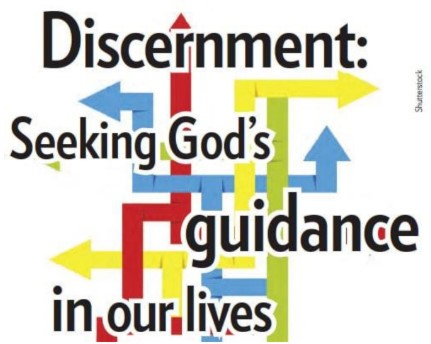
Where does God fit into the picture? Have you ever asked “Lord, what do you want me to do?”. This question is the beginning of discernment.
The word “discernment” comes from the Latin discernere, meaning “to separate,” “to distinguish,” or “to tell one thing from another.” We might think of separating good fruit from spoiled fruit or sorting rice before cooking it. In the spiritual life, discernment means learning to distinguish God’s invitation from the many other voices within and around us.
Discernment is not simply thinking carefully before making a decision. It is the prayerful process of listening to God, noticing how he may be guiding us, and having the courage to follow. There is little value in hearing God’s invitation if we never act. Discernment includes both listening and responding.
God is Speaking
The starting point is that God is speaking to us. He is not silent or uninterested in our lives. He speaks through Scripture, music, prayer, our conscience, wise people, our gifts and deepest desires, the needs of others, and life’s circumstances.
However, not every thought, desire, or feeling comes from God. Fear speaks, and so do pride, money, family expectations, our bodies, social media, and loneliness. Our trauma, ambitions, and desire to please others also speak. Sometimes the loudest voice is not God’s.
This is why discernment requires attention. Through attention we learn to ask: where is this thought or desire coming from? Where is it leading me? Will following it make me more loving, honest, , generous, and close to God? Or will it make me more selfish, dishonest, isolated, and distant from him?
Discernment matters because our decisions shape the people we become. Choices about relationships, studies, work, migration, marriage, or vocation can redirect an entire life. God’s way is not always easy, but it leads towards life, freedom, love, and the deep happiness for which we were created. Following God does not guarantee comfort. Forgiving may be painful. Telling the truth may cost us. A genuine vocation always involves sacrifice. However, even when God’s way is difficult, it draws us towards a more loving life.
What Should We Discern?
We should not use discernment to avoid doing what is clearly right. We do not need to discern whether to lie, steal, cheat, pressure someone sexually, be unfaithful, or neglect a serious responsibility. God never asks us to sin.
Discernment normally concerns choices that are morally good, realistic, and genuinely open to us. Should I study nursing, dentistry or teaching? Should I accept a new job or remain in my present one? Is God calling me to marriage, priesthood, religious life, or dedicated single life?
Sometimes one option only appears good because we do not want to face the truth. A relationship marked by manipulation, disrespect, or repeated sexual pressure should not be treated as one good option equal to leaving. Discernment begins with honesty about reality.
God Is Not Tricking Us
Sometimes people imagine that God is hiding his will and waiting to punish them for choosing the wrong door. This creates anxiety about missing “signs” or ruining God’s plans.
Christian discernment begins with the conviction that God loves us. We are not trying to solve a puzzle set by a distant God. We are responding to the God who created us, knows us, and desires our good. God respects our freedom and patiently guides us. Even when we make mistakes, he can continue working through our lives.
The first prayer of discernment is not, “Lord, make my plan succeed.” It is: “Lord, show me what is good, and help me to follow it.” We should tell God sincerely what we want. There is nothing holy about pretending that we have no preferences. But we must also ask for openness. On the night before he died, Jesus prayed, “Not my will but yours be done.” (Luke 22:42).
Preparing Our Heart
Good discernment usually grows from a relationship with God. We prepare through prayer and silence, reading Scripture, receiving the Eucharist, examining our lives, and speaking with wise people.
Silence matters because a heart constantly filled with noise cannot listen well. Endlessly scrolling through social media can distract us from God’s voice. Scripture matters because the better we know Jesus, the more easily we recognize what sounds like him: “My sheep hear my voice (John 10:27). The Eucharist matters because discernment is not only about receiving information from God; it is about becoming united with Christ.
We should also gather facts. This is one area where AI can assist. Prayer is not a substitute for research, common sense, or honest conversation. A young person choosing a course of study should learn what the programme involves, consider costs and their abilities/limitations, and speak with people in that profession. Grace works with reason, not against it.
Make Notes
It helps to write things down. After prayer, note what arose, whether peace, fear, hope, resistance, or confusion. Over time, patterns may become clearer. Bring them to a parent, priest, spiritual director, teacher, catechist, or friend who knows both God and you.
The young Samuel prayed, “Speak, Lord, for your servant is listening.” (1 Samuel 3:9). That prayer is the beginning of discernment. We must also be ready to say like Mary, “Let it be done to me according to your word.” (Luke 1:38).
Discernment begins when we believe that God is speaking, give time to listen in silence, and open our hearts enough to follow. Next week, we will consider the practical question: when two or more choices are before us, how do we recognize where God may be leading?