
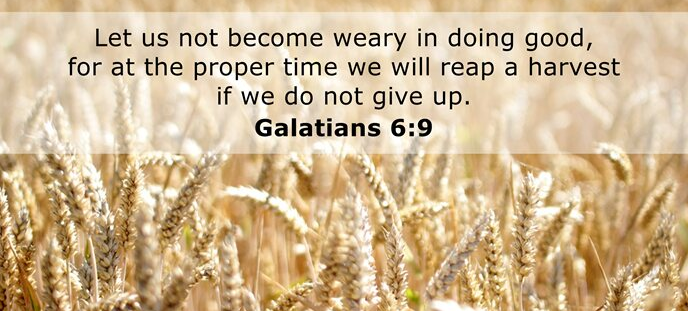
“Let us not grow weary in doing what is right.”(Galatians 6:9)
Why is it so easy to spend hours scrolling through social media, yet so difficult to spend a few minutes in prayer? We say we have no time for Church on Sundays, prayer or outreach, but somehow find time for another video. This week we examine sloth, the last of the seven deadly sins in our series.
What Is Sloth?
Have you ever seen a sloth? It’s a furry animal that moves slowly and hangs upside down from branches. However, we are not speaking of the animal today, but of “slowness” in the spiritual life. Spiritual sloth means neglecting the good we ought to do when we are able. Feeling reluctant is not necessarily sinful. The issue is when we knowingly neglect our responsibilities.
Spiritual sloth, called acedia, makes us see loving and serving God as a burden and turns us away from the joy he offers us (CCC 2094). We believe in God yet continually postpone responding to him. We avoid prayer, neglect those who need us, or stop making the effort to resist sin. A person can be busy all day and still be spiritually slothful.
Tiredness, illness and depression should not be mistaken for sloth. We need rest and care. Feeling dry or distracted in prayer does not automatically mean we are failing God. We can pray even when we “feel” nothing.
Why Do We Avoid the Good?
Part of the attraction of scrolling is that it offers something new and surprising with little effort. Neuroscience explains how social media is designed to tap into the brain’s reward systems and encourage repeated use. Some studies suggest that prayer and meditation also involve reward-related brain activity, although the research is limited.
Prayer asks us to slow down, pay attention and remain present. It brings us face to face with deep questions we would rather avoid such as: How am I living? What needs to change? Whom have I neglected?
Sloth grows through habits of procrastination, attachment to comfort and discouragement. We begin to think that prayer makes no difference or that changing is too difficult. It grows when we choose distraction repeatedly, until avoiding the good becomes a habit. The Catechism connects acedia with decreasing vigilance and carelessness of heart (CCC 2733). Do I have no time for God, or have I given that time to everything else?
The Virtue of Diligence
The virtue opposing sloth is diligence. Expressed spiritually as zeal, it is a steady willingness to love God and do the good entrusted to us. It means bringing care and effort to prayer, work, study, family life and service. We persevere because God and our neighbour matter, even when our efforts are difficult or slow to bear fruit.
In practice, we must guard against both negligence and being “busybodies”. Negligence leaves our duties incomplete while excessive activity leaves no time for relationships and prayer. Being too busy makes us not have time for listening to God.
One Day at a Time
I believe we grow one step and one day at a time. We do not need to begin with an ambitious programme that we abandon after three days. Pope Francis recommended small, achievable commitments and perseverance, leaning on Jesus, when facing sloth.
If a whole rosary seems too much, begin with one Hail Mary. Then work towards a decade and, gradually, the full rosary. If an hour of adoration feels difficult, begin with five minutes, then ten. Read a short Gospel passage or a page of a spiritual book. Choose a regular time and stick to it.
Prepare for Church on Sundays by making room for it in your plans. Put the phone away during prayer. Do one act of charity like visiting someone. As St Teresa of Calcutta reminds us, we can do small things with great love.
Stay With the Emptiness
The next time you’re alone in silence, resist immediately reaching for your phone. Try to become aware of God’s presence and speak with him about what you are feeling. Spend a few moments each day talking to him and listening. Prayer is a relationship that needs our presence, including on days when we don’t feel like it.
We also need to examine our consciences. Have we become careless about sin? Do we keep excusing our bad behaviour? What good have we left undone? Jesus calls his disciples to watch and pray (Matthew 26:41). A brief reflection each evening can help us to change our lives.
Let us not become the scrolling generation that scrolled our lives away. Our time and energies are gifts. Let us use them with purpose, diligence and excellence in serving God and our neighbour.